
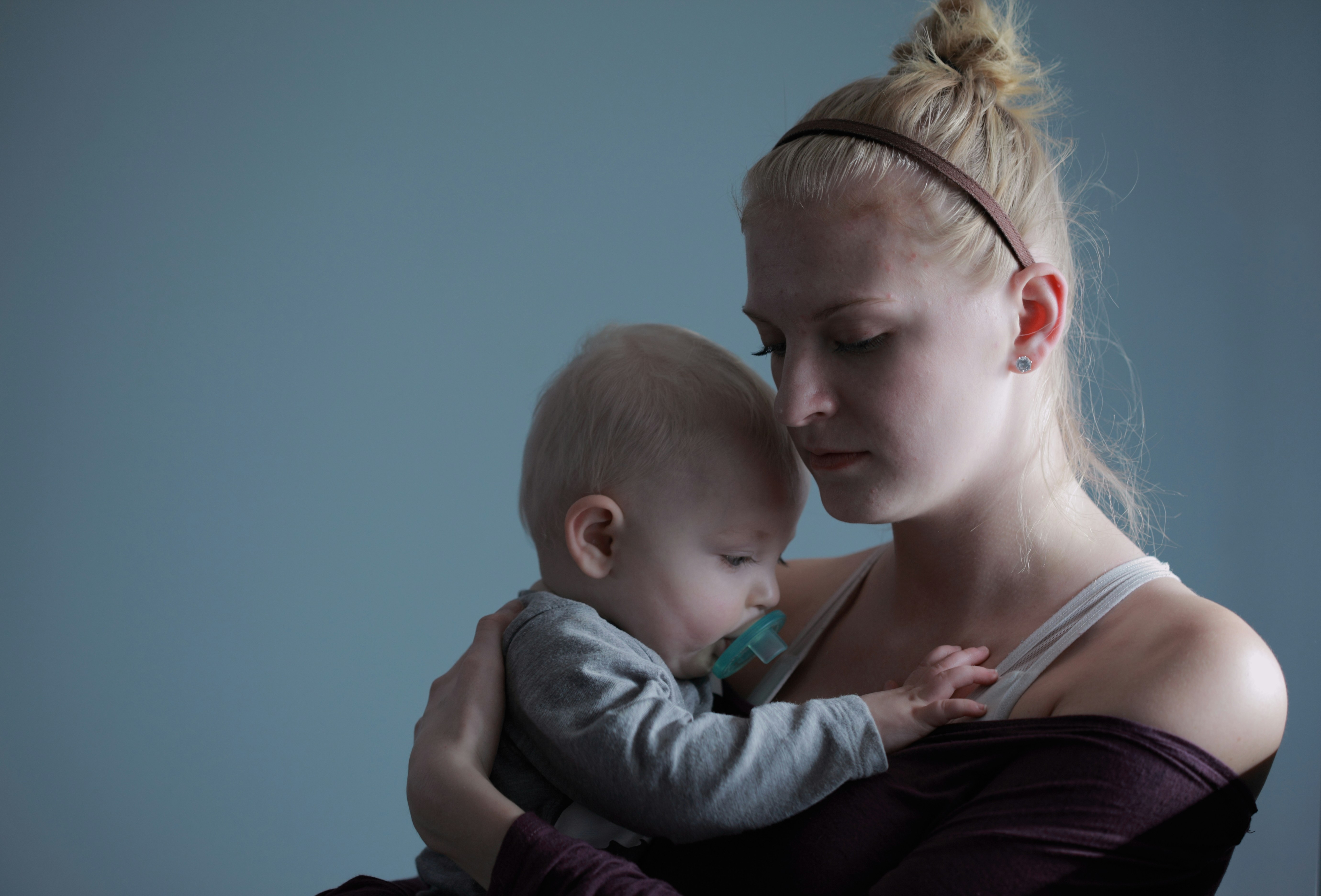
You finally get the baby to sleep. The dishes are piling up, someone asks you one more question, and suddenly you feel an intensity of anger that surprises even you. Minutes later, the guilt arrives: “Why am I so angry when I love my baby so much?”
For some mothers, the postpartum period brings more than sadness or worry. It can bring sharp irritability, resentment, or anger that feels hard to control. People sometimes call this postpartum rage. If this sounds familiar, your feelings deserve attention—not judgment.
What is postpartum rage?
Postpartum rage describes intense anger, agitation, or irritability after having a baby. It is not a separate formal psychiatric diagnosis. Sometimes it occurs alongside postpartum depression or anxiety; sometimes anger is the most noticeable symptom. A mental health professional can help determine what is contributing to the experience.
Why can anger feel so intense after childbirth?
The transition to motherhood can bring several stressors at once: interrupted sleep, hormonal changes, physical recovery, constant caregiving, relationship shifts, and the feeling that everyone needs something from you. A difficult delivery, NICU experience, or lack of support may add another layer of distress.
Anger can also emerge when needs repeatedly go unmet. You may be overwhelmed by noise, touched out, frustrated by unequal responsibilities, or upset that your experience does not match what you expected. These factors can contribute to emotional overload, but they do not tell the whole story for every person.
Signs that postpartum anger may need support
- You feel on edge much of the day or become angry over small frustrations.
- You yell, snap, or feel the urge to slam doors or throw objects.
- You experience intense guilt or shame after an outburst.
- You feel resentful toward your partner or overwhelmed by constant caregiving.
- Your anger is affecting your relationships, sleep, or ability to function.
An occasional frustrating moment is different from persistent distress. You do not need to wait for symptoms to become severe before seeking help.
Is postpartum rage the same as postpartum depression?
Not necessarily. Postpartum depression can involve irritability or anger as well as sadness, loss of interest, hopelessness, or fatigue. Postpartum anxiety may involve excessive worry, tension, and difficulty relaxing. Postpartum rage is a descriptive term, not a diagnosis, so an assessment can help clarify what is happening and which supports may help.
What can help when you feel overwhelmed?
- Notice early warning signs, such as a racing heart, clenched jaw, or feeling overstimulated.
- When possible, pause and ask another trusted adult to take over caregiving briefly.
- Protect opportunities for rest and practical support rather than expecting yourself to manage everything alone.
- Tell your partner, physician, or therapist what the anger actually feels like—even if it is uncomfortable to describe.
- Consider counseling if anger is recurring, frightening, or disrupting daily life.
If you feel you might hurt yourself or your baby, place your baby somewhere safe, such as a crib, and seek immediate help. Call 911 for immediate danger or 988 for urgent crisis support in the United States. Hallucinations, delusions, or severe confusion after childbirth require emergency evaluation.
How counseling can support postpartum emotional health
Therapy can provide a nonjudgmental space to understand triggers, manage overwhelming emotions, address anxiety or depression, and navigate relationship changes. If a traumatic childbirth experience is part of the picture, trauma-focused care may also be relevant. Treatment should match your individual symptoms and needs.
Postpartum counseling in Palos Heights and throughout Illinois
At Victress, A Wellness Center for Women, we support women navigating postpartum anxiety, depression, trauma, and major life transitions. Our Palos Heights office serves Chicago and the South and Southwest Suburbs, including Orland Park, Oak Lawn, and Tinley Park. Telehealth counseling is available throughout Illinois.
Victress accepts select Illinois Medicaid managed-care plans, including BCCHP, Meridian, and Aetna Better Health of Illinois. Coverage and clinician participation should be verified before scheduling.
If postpartum anger has left you feeling overwhelmed or unlike yourself, support is available. Visit victresswellness.com to learn more about counseling and request an appointment.
Educational information only; not a diagnosis or a substitute for individualized care. Content prepared with AI assistance and should be reviewed by Victress before publication.